The Feedback Field: Experiential Team Cohesion and Communication Training for Healthcare and Community Teams
Healthcare and community teams rarely struggle because they lack clinical knowledge.
More often, challenges arise from communication breakdowns, blurred boundaries, stress spillover, and unclear leadership dynamics.
We work in high-pressure environments. How we show up — for clients, colleagues and ourselves — matters.
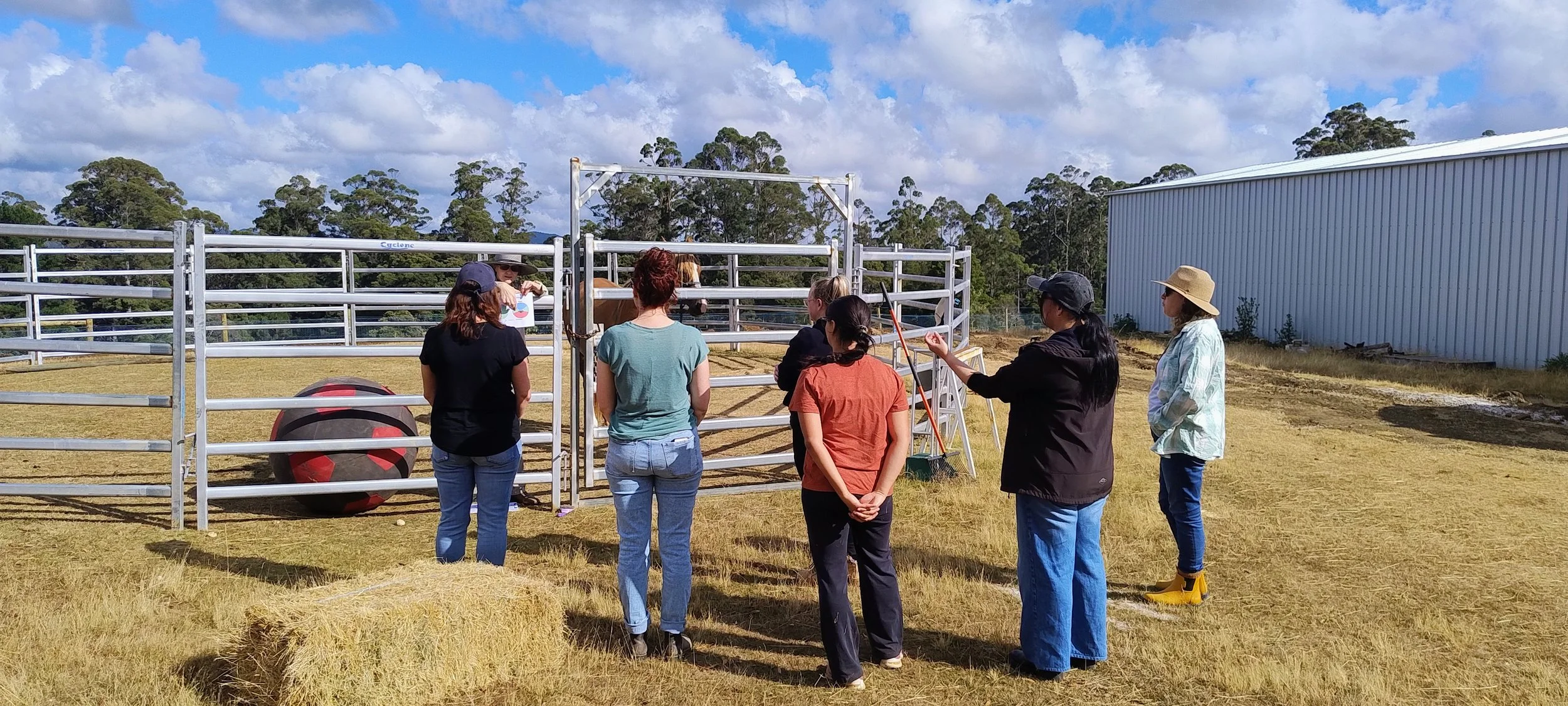
That is why I developed The Feedback Field, an experiential team cohesion and communication training program delivered outdoors with horses.
Why Communication Training Needs to Be Experiential
Traditional professional development often focuses on theory. Slides are presented. Frameworks are discussed. Participants nod.
But communication is behavioural. It is embodied. It is relational.
In The Feedback Field, teams engage in structured experiential activities with horses. Horses respond to clarity, congruence and emotional regulation — not job titles, seniority or intellectual explanation.
Patterns that might take months to surface in a workplace become visible within minutes.
Participants from our recent pilot described the experience as:
“Normally PD really drags… but this flew by because we were actually having fun.”
“I didn’t think our team could be any closer — but I was wrong. This has really brought us together.”
“It provided great reflection regarding working with others and working with self.”
“Definitely quite relevant and showed a good understanding of our industry and challenges.”
What The Feedback Field Focuses On
The program is designed for:
Healthcare teams
Mental health services
Allied health practices
Education teams
Community and not-for-profit organisations
Core areas include:
1. Team Cohesion
Exploring trust, collaboration, and shared responsibility in real time.
2. Communication Under Pressure
How tone, body language and clarity influence outcomes — especially when stress is present.
3. Leadership and Followership
Understanding when to step forward, when to step back, and how authority is communicated.
4. Boundaries and Emotional Regulation
How we manage ourselves so that stress does not leak sideways into teams or onto clients.
5. How We Show Up for Clients
The way a team functions internally directly impacts client experience and care quality.
This Is Not Therapy — And It Is Not Corporate Games
The Feedback Field is structured, facilitated experiential learning.
It draws on principles of:
Experiential education
Communication science
Emotional regulation
Reflective practice
Healthcare professional standards
As a Nurse Practitioner working in healthcare and mental health contexts, the program is grounded in a deep understanding of clinical environments and industry pressures.
Participants consistently report that the training is:
Relevant
Challenging in constructive ways
Insightful
Enjoyable
Where It Can Be Delivered
The Feedback Field can be hosted at Tinkers Farm in North-West Tasmania or delivered anywhere in Australia.
If you are responsible for a team and are looking for communication training that strengthens cohesion, improves professional presence, and meaningfully shifts behaviour — this program may be a strong fit.
You can contact me to discuss suitability for your team: Sefronia@tinkersfarm.com.au
Stronger teams create safer workplaces.
Safer workplaces create better care.
The Feedback Field: Reflections from Our First Program
This week we ran the first pilot of The Feedback Field, a horse-led professional development program designed for frontline professionals.
The Feedback Field was created in response to a familiar gap: many clinicians and frontline workers are asked to engage in reflective practice, communication training, and team development, yet are given few opportunities to experience these skills in real time, in their bodies and relationships, rather than purely through discussion or theory.
Why horses?
Horses are highly attuned to their environment. They respond immediately to changes in attention, energy, boundaries and intention — without judgement, interpretation or agenda. This makes them powerful partners in experiential learning.
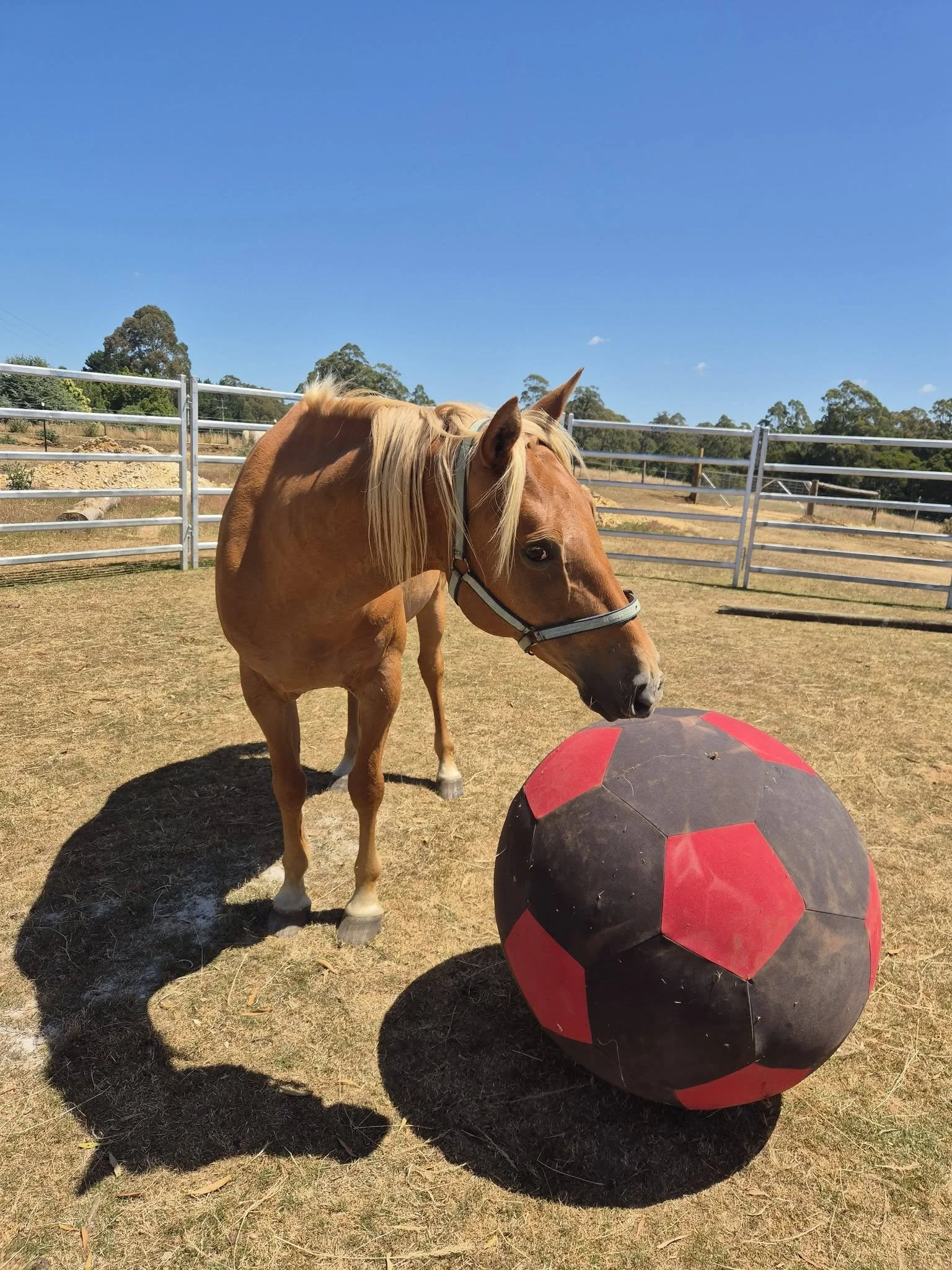
In The Feedback Field, horses are not used for riding or performance. Instead, they act as mirrors, providing clear, immediate feedback about how participants are showing up: how they approach uncertainty, how they set and hold boundaries, how they respond to pressure, and how they communicate within a group.
Learning in the paddock, not the classroom
The pilot program took place entirely outdoors, in the paddock. Participants worked individually and in small groups, with structured exercises designed to support:
reflective practice
communication and listening
boundary awareness
feedback (giving, receiving and responding)
team dynamics and leadership presence
Rather than being told what to do, participants were invited to notice what was happening — in themselves, in the group, and in the horses — and to reflect on how these patterns translate into their professional roles.
The physical space mattered. Chairs, hay bales and open ground created a learning environment that encouraged slowing down, observation and thoughtful engagement.
What we learned from the pilot
The feedback from the pilot group was genuinely excellent. Participants described the experience as grounded, relevant and surprisingly practical. Many noted that the learning felt immediately transferable to their work with patients, clients and colleagues.
Importantly, the program did not rely on emotional disclosure or therapy-style processes. The focus remained on professional skills, reflective capacity and practical insight — qualities essential in high-responsibility roles.
What’s next
Following the success of the pilot, we already have additional teams booked in as part of a refinement phase. These programs will allow us to continue shaping The Feedback Field with input from real-world teams, ensuring it remains relevant, ethical and robust.
As part of this refinement phase, we are offering introductory pricing for a limited number of teams who are willing to provide honest feedback on the program and consent to a small number of photographs being taken for documentation and education purposes.
Who The Feedback Field is for
The Feedback Field is designed for frontline and high-responsibility roles, including (but not limited to):
doctors and nurses
allied health professionals
police and emergency services
educators
community and leadership teams
No prior experience with horses is required.
Enquiries
If you’re interested in professional development that supports reflective practice, communication, boundaries and team awareness — in a way that is practical, grounded and different from traditional training — we welcome enquiries.
More information about upcoming programs will be shared as the next phase progresses.
Celebrating Nurse Practitioner Week: Honouring 25 Years of NP-Led Care in Australia
Every year, Nurse Practitioner Week invites us to pause, reflect, and celebrate the unique and essential role that Nurse Practitioners play in Australia’s health-care system.
This year is especially meaningful, marking 25 years of NP-led care across the country.
For many communities — especially rural and regional ones — Nurse Practitioners are a crucial part of accessible, person-centred, and holistic health care. NP Week is an opportunity to acknowledge that contribution, strengthen our professional community, and highlight the value advanced practice nurses bring to the people we serve.
What NP Week Celebrates
A Quarter Century of Advanced Practice Nursing
NP Week honours the growth of the NP role from its early beginnings to the diverse, highly skilled profession it is today.
Improved Access to Care
Nurse Practitioners increase access in settings where health care can be difficult to reach.
From telehealth to community clinics to highly specialised services, NPs often fill gaps that would otherwise leave people without timely support.
Holistic, Person-Centred Care
NPs combine clinical expertise with the core nursing values of compassion, understanding, education, and advocacy.
This blend of skills allows for care that addresses not only illness, but the whole person — their environment, their lifestyle, their relationships, and their goals.
A Diverse and Skilled Workforce
NPs work across mental health, primary care, emergency, women’s health, chronic disease, aged care, disability, and more.
The breadth of the role is one of its greatest strengths.
What NP Week Means to Me
As a Nurse Practitioner working in mental health, neurodiversity, lifestyle medicine, and nature-based therapeutic approaches, NP Week offers a moment to reflect on the privilege and responsibility of this role.
It reminds me:
why advanced practice is so important in rural and remote regions
how essential it is that people have access to experienced, skilled care close to home
that mental health support must be practical, compassionate, and locally grounded
that advocacy for recognition, scope, and sustainable models of care is ongoing
that our work has impact far beyond the appointment room
It is also a chance to celebrate the strong and supportive NP community — colleagues who share values of equity, innovation, and person-centred practice.
How You Can Mark NP Week
Whether you are a client, colleague, student, or community member, here are some meaningful ways to acknowledge NP Week:
Thank a Nurse Practitioner whose care has supported you or someone you know.
Share a story about your experience with NP-led care.
Learn more about what NPs do, particularly in mental health and rural health.
Support conversations about better access, equity, and recognition for NP services.
Connect with your local NP community if you’re a clinician.
Small actions help raise awareness and build understanding of the NP role.
Looking Ahead
As health needs continue to evolve, the role of Nurse Practitioners will only grow more vital. Rising demand for mental health care, chronic disease management, neurodiversity support, and rural service delivery means Australians need flexible, skilled, and accessible practitioners now more than ever.
NP Week is a reminder of how far we’ve come — and how much opportunity lies ahead.
To my NP colleagues: thank you for the work you do, the people you support, and the communities you strengthen.
To the clients and families who trust us with their care: it is a privilege to walk alongside you.
Here’s to another year of growth, collaboration, and meaningful practice.
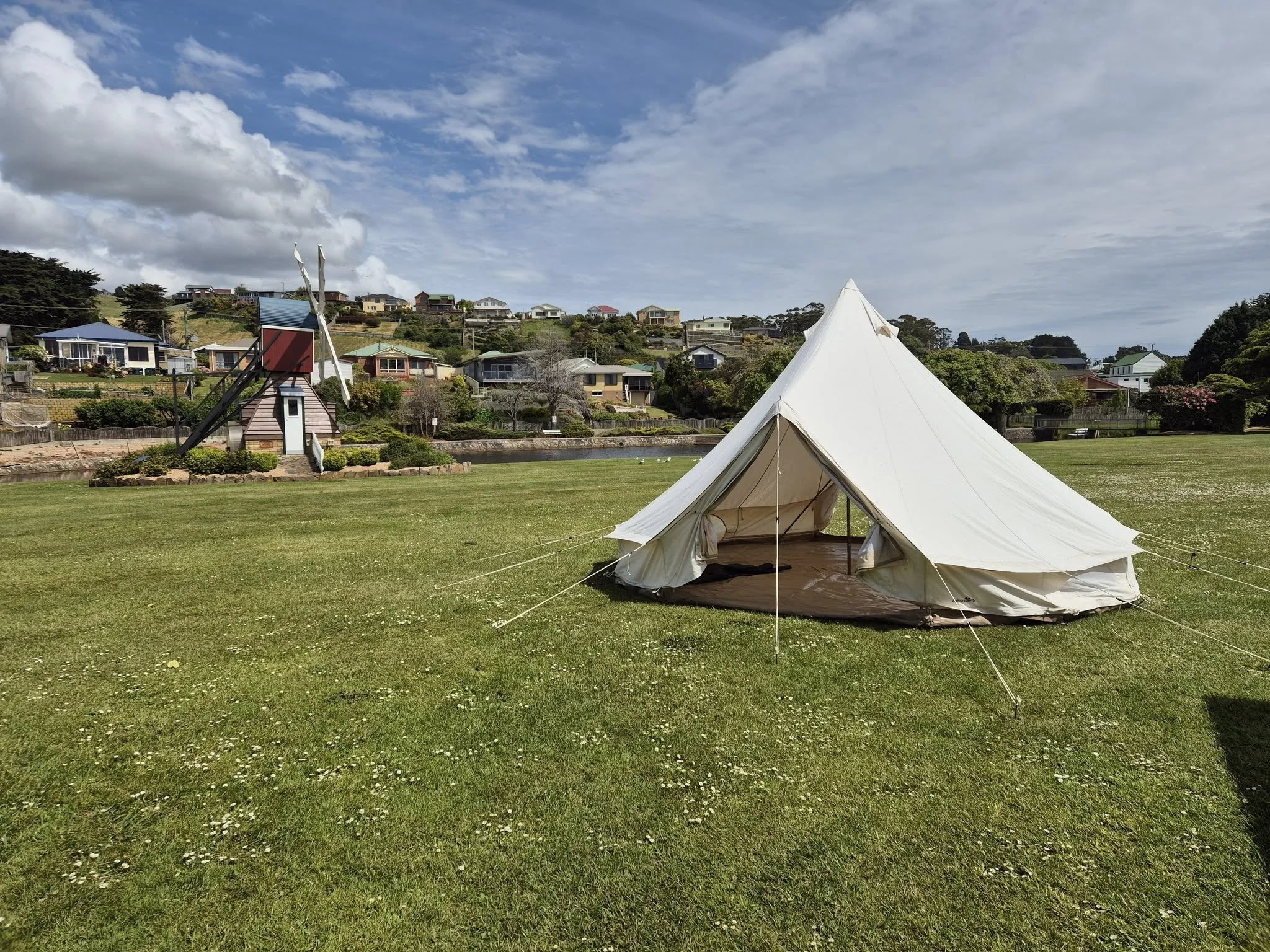
SPARK End-of-Year Reflection
Our final SPARK gathering for the year offered a slow, nourishing close to 2025 — a day filled with good food, laughter, gentle sound bathing, and the kind of company that reminds you why community matters.
SPARK was created as a space where professionals can grow together, rather than alone. A place to share ideas, reflect on practice, strengthen our work in the world, and support one another with honesty and care. Sitting together at the end of the year felt like a beautiful embodiment of that purpose.
I’m deeply grateful for this group of thoughtful, skilled practitioners who bring curiosity, compassion, and authenticity to everything they do. The conversations we had — about growth, boundaries, practice, creativity, and the realities of life in helping professions — were a reminder of how powerful it is to gather with colleagues who genuinely want to see each other flourish.
Looking ahead, I’m excited for more collaboration, shared learning, and steady care within this community. Spaces like SPARK not only sustain individual practitioners; they strengthen the quality of support we offer our clients, families, and communities.
A soft landing to end the year — and a bright beginning for the next.
Here’s to growth, connection, and meaningful work in 2026.

Understanding High-Control Groups: What Clinicians Need to Know
Recently, I had the privilege of presenting to the Mental Health Nurse Practitioner Special Interest Group on a topic that is rarely discussed openly, yet affects far more people than we often realise: high-control groups — how they recruit, how they retain, and how we can support people who are trying to leave.
High-control groups are deeply misunderstood. The word “cult” conjures images of isolated communities or extreme belief systems, but in reality these dynamics often hide in plain sight. They can emerge in:
wellness or spiritual communities
coaching programs or “containers”
religious or ideological groups
multi-level marketing structures
intimate relationships with increasing control
workplaces or family systems
What unites them is not the content of the belief, but the degree of control exercised over a person’s autonomy.
Common Dynamics of High-Control Systems
Across different settings, similar patterns tend to emerge:
Restriction of freedom — limiting choices, movement, or independent decision-making
Erosion of critical thinking — discouraging questions or dissent
Shame-based compliance — using guilt, fear, or moral purity to enforce behaviour
Control of language, relationships, time, money, or belief — shaping a person’s entire framework for understanding themselves and the world
These dynamics can slowly dismantle a person’s sense of self, leaving them vulnerable, isolated, or dependent on the group or individual exerting control.
Clinical Implications: Assessment, Risk, Consent, and Recovery
For Mental Health Nurse Practitioners and other clinicians, these situations raise complex questions:
How do we assess someone who is still embedded in a high-control system?
How do we work with consent when autonomy is compromised?
How do we differentiate between belief, coercion, trauma response, and identity?
How do we support recovery without imposing our own agenda or replicating controlling dynamics?
People who are exiting high-control groups often arrive with a combination of trauma, identity confusion, attachment injuries, and practical barriers such as housing, finances, or social isolation.
They need autonomy-building, trauma-informed care — not rescuing, moralising, or pathologising.
Our role is to help them rediscover their own agency, rebuild critical thinking, reclaim relationships, and reconnect with personal meaning outside of the system they left.
A Growing Area of Clinical Need
I’m grateful to the SIG for the invitation and the rich, thoughtful discussion. It’s encouraging to see how many clinicians are ready to deepen their understanding of high-control groups, coercive influence, and post-exit recovery.
This is an area where stigma and misconception have kept people silent for far too long.
If you work clinically in mental health, this topic is worth your attention — not only for your clients, but for the broader conversation around safety, autonomy, and informed care.
Why Mental Health Nurses Need Recognition in the NDIS Pricing Review
The NDIS Annual Pricing Review is now open, and this year’s consultation carries significant implications for the future of mental health care in Australia. One issue stands out as both urgent and long overdue:
Mental Health Nurses are still not recognised within the therapy pricing structure.
Despite providing highly skilled, complex, and often long-term therapeutic support, Mental Health Nurses continue to be categorised under “Other Support” — a classification that fails to reflect our expertise, training, or contribution to participant outcomes.
As someone working at the intersection of mental health, disability, and capacity-building every day, I see the real impact of this misalignment on participants, families, and the workforce.
What’s the Issue?
1. Mental Health Nurses are not recognised as a distinct therapeutic profession.
Within the NDIS pricing framework, we are placed in the broad “Other” category, despite delivering interventions equivalent to psychology, occupational therapy, and social work.
2. We provide core therapeutic and capacity-building supports.
Mental Health Nurses work across a wide scope of needs, including:
emotional regulation
communication and social participation
adjustment to disability
behavioural and sensory regulation
daily living and executive-function skill development
crisis planning and safety management
medication and health literacy
This work directly contributes to participant autonomy, wellbeing, and community engagement.
3. Our support spans all disability types, not only psychosocial.
We assist participants with intellectual disability, autism, neurological conditions, physical disability, chronic illness, and complex trauma.
Our lens is holistic, relational, and grounded in both clinical and functional skill building.
4. Current pricing undermines workforce viability.
Placing Mental Health Nurses in a non-specific “Other” category communicates:
a lack of professional recognition
unclear expectations of scope
lower pricing compared to equivalent therapeutic roles
reduced sustainability for providers
In a system already experiencing significant workforce shortages, this has serious long-term consequences.
5. A dedicated therapy line item is essential.
Formal recognition within the therapy pricing structure would ensure:
workforce retention and sustainability
clearer pathways for participants to access appropriate supports
improved quality and consistency of mental health interventions
alignment with the training and clinical expertise of Mental Health Nurses
This is not simply an administrative issue — it directly affects the care, autonomy, and outcomes of thousands of participants.
Why Your Voice Matters
Mental Health Nurses bring a unique combination of clinical training, therapeutic skill, disability literacy, and recovery-oriented practice.
Yet without accurate recognition within the NDIS, our contribution remains undervalued and often misunderstood.
The Annual Pricing Review is one of the few opportunities each year to influence how our work is categorised and funded.
If you are a Mental Health Nurse working in any NDIS setting — private practice, psychosocial teams, community mental health, or telehealth — your submission matters.
Even a short response helps demonstrate the scale and consistency of the issue.
👉 Have your say:
NDIS Annual Pricing Review Survey
https://lnkd.in/gCaDxxJu
Together, we can advocate for a pricing structure that reflects the real work we do — and ensures that participants continue to receive skilled, meaningful, therapeutic mental health support.
Changes to Medicare Telehealth Rebates Matter for Rural Australia
Recently, I found myself on the front page of The Advocate — not something I ever expected, but an important opportunity to highlight an issue affecting many people in regional and remote Tasmania: changes to Medicare rebates for Nurse Practitioner–led telehealth care.
For many rural communities, Nurse Practitioners are not just an additional option in the health system — we are often the only accessible option.
Distance, weather, transport limitations, cost-of-living pressures, and the shortage of bulk-billing medical services all shape how people access care. When these factors combine, telehealth becomes far more than a convenience.
For many of my clients, it is the only realistic pathway to timely support.
What the Rebate Changes Mean
The recent amendments to Medicare rebates will make it harder for people outside major cities to access NP-led telehealth services. These changes disproportionately affect:
individuals without reliable transport
people with chronic illness or disability
neurodivergent clients who find travel overwhelming
carers who cannot leave home easily
families balancing financial stress
remote communities with minimal GP availability
When rebates shrink or disappear, the gap widens — and it widens most for the people who already have the least access.
Why Telehealth Matters in Regional Communities
Telehealth is not a luxury in rural health. It’s a lifeline.
It offers:
continuity of care when travel is unsafe or unaffordable
timely mental health support in communities without local services
flexibility for people with mobility or sensory needs
reduced time away from work, school, or caregiving
a way to maintain privacy in small towns where everyone knows everyone
Without viable telehealth options, many people simply go without care.
A Call for Models of Care That Reflect Reality
As health professionals, we must continue advocating for systems that recognise the realities of regional life. Rural Australians face unique barriers:
vast distances
limited provider availability
gaps in public transport
fewer bulk-billing options
socioeconomic disadvantage
Policy needs to reflect these realities — not overlook them.
Nurse Practitioners play a critical role in bridging these gaps, especially in mental health, disability support, and chronic disease management. Supporting NP-led telehealth is one way to keep essential care within reach for the communities who need it most.
I’m grateful to The Advocate for covering this issue and giving voice to the people directly affected. Rural health doesn’t often make headlines, but it should. The experiences of regional Australians deserve to be heard — not only by policymakers, but by the broader community.
If we want healthier, more resilient rural communities, we must protect the services that allow people to access care safely, affordably, and consistently.
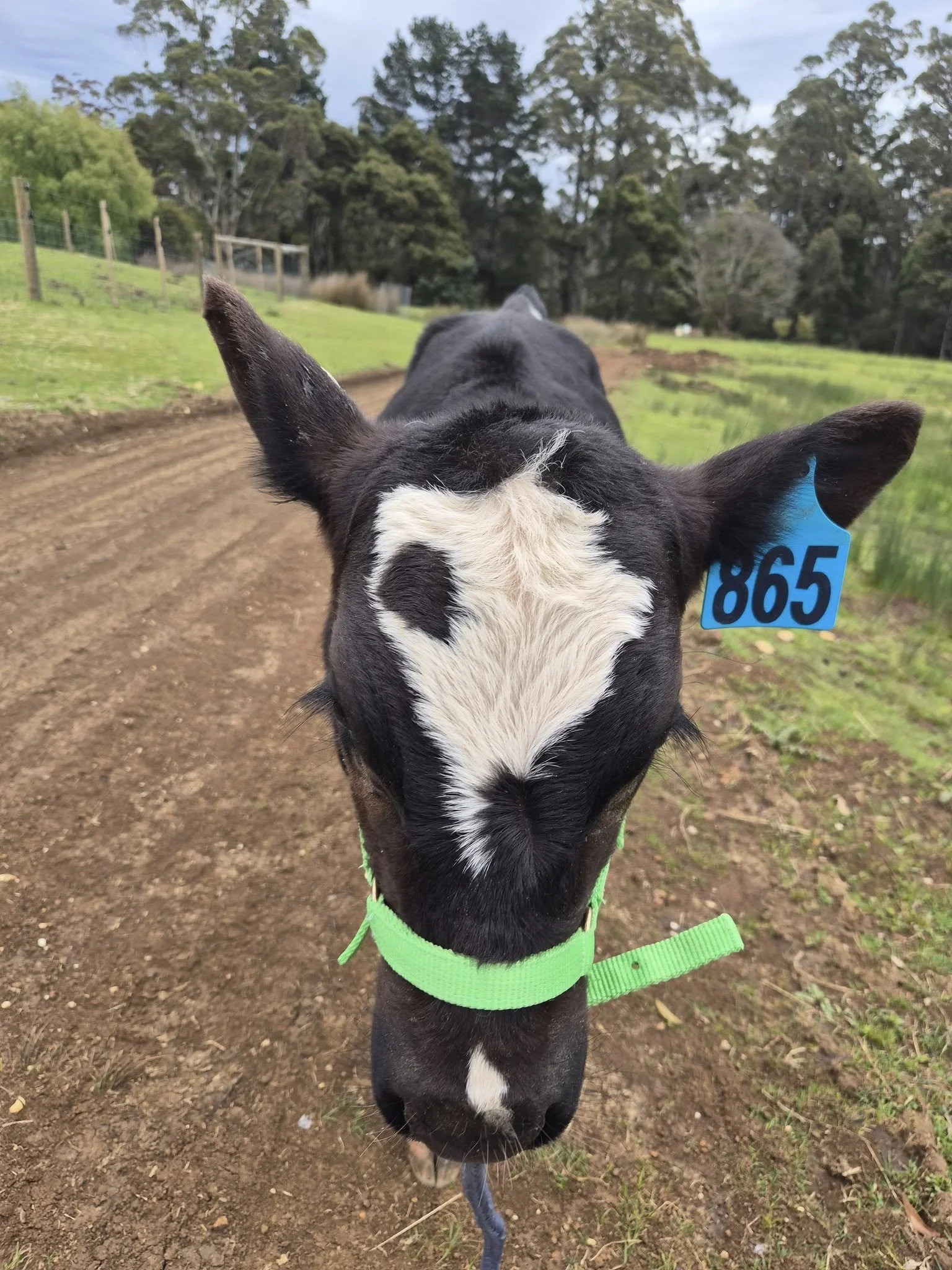
Meet Taz: The Newest Member of the Tinkers Farm Family
We’re delighted to introduce Taz, the newest arrival here at Tinkers Farm.
Taz is an Angus–Friesian cross steer with a gentle temperament and an already-curious approach to farm life.
From his very first day, Taz has shown a calm, inquisitive nature — making friends with the ponies, exploring the paddocks, and settling beautifully into his new home. Like all animals who join us, Taz will grow up surrounded by care, connection, and the steady rhythm of farm life.
Over time, as he matures and develops confidence, Taz will play a role in our nature-based wellbeing and therapeutic programs. Our animals are partners in the work we do — supporting emotional regulation, grounding, connection, and skill development for the children, adolescents, and adults who visit the farm.
For now, Taz is enjoying the simple things: fresh grass, warm sunshine, gentle handling, and plenty of friendly introductions.
We’re so happy to have him here.
Welcome to the team, Taz.
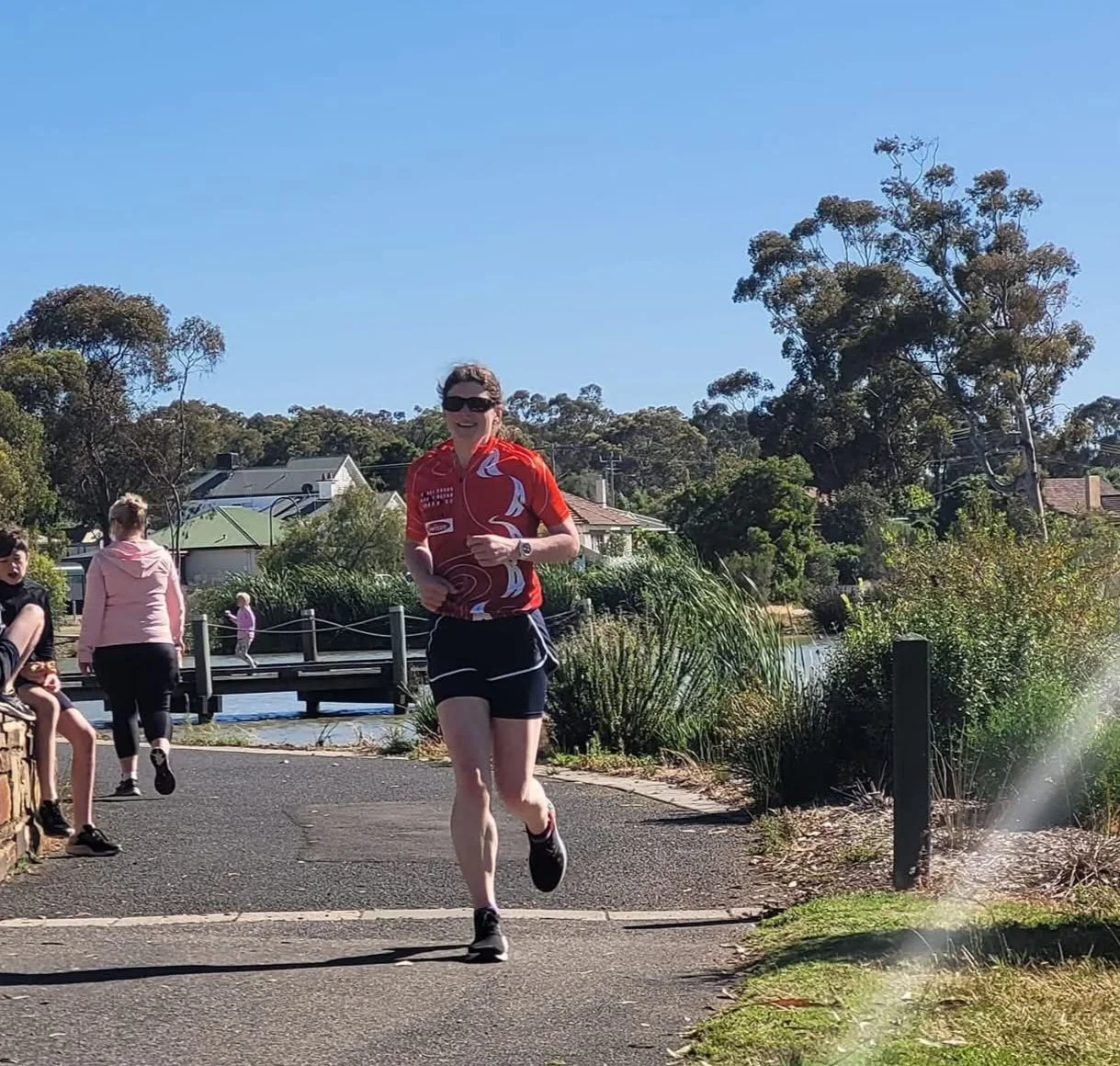
Run for Autism
At Tinkers Farm, we’re passionate about supporting people with neurodiversity through equine and nature-based therapy.
This October, I’m taking that commitment a step further—by running 70km in one month for Autism as part of Run for Autism.
It’s been a while since I’ve trained regularly, but I’m determined to do this to raise awareness and funds that go directly towards supporting autistic people and their families. The ponies might even join me on my travels.
If you’d like to support my run, you can donate here:
https://www.runforautism.org.au/s/49663/52902
Every contribution, big or small, helps make a difference. Thank you for cheering me on and supporting a cause that’s so close to the heart of what we do at Tinkers Farm.
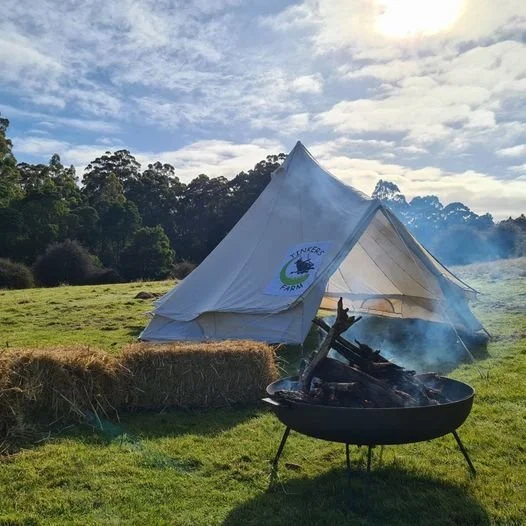
ADHD Strategies for Everyday Life: A Community Workshop
Living with ADHD can shape every part of daily life — from work and study to relationships, organisation, emotional regulation, and simply getting through a day without feeling overwhelmed. While medication can be incredibly helpful for many people, it is never the only tool available.
That’s why we recently hosted a free community session on ADHD Strategies for Everyday Life, held at The Nest at Live Well, Burnie.
The workshop was designed to offer practical, evidence-based techniques that support daily functioning, build confidence, and make everyday tasks feel more manageable.
What We Covered
During the session, we worked through strategies that go beyond medication, including:
grounding and sensory regulation techniques
tools for improving focus and reducing task overwhelm
simple executive-function supports that actually work in real life
ways to structure tasks and reduce cognitive load
communication strategies for work, study, and home
approaches to motivation that honour ADHD neurology rather than fight it
Participants had the chance to try interactive activities, ask questions, and share experiences in a supportive environment.
Why This Matters
ADHD is common, widely misunderstood, and often under-recognised in adults — especially in women and people who have learned to mask or compensate.
Practical strategies can make a significant difference in:
reducing stress
improving productivity
strengthening relationships
increasing a sense of autonomy and self-trust
Workshops like this also help build community. Many attendees shared that simply being in a room with others who get it was reassuring and validating.
About the Facilitator
The workshop was facilitated by Sefronia, a local Nurse Practitioner and Credentialled Mental Health Nurse specialising in neurodiversity, mental health, and lifestyle medicine.
Her approach integrates clinical expertise with practical, hands-on techniques that support real-world functioning.
Future Sessions
If you missed this event, we’ll be offering additional workshops and community sessions throughout the year — covering ADHD, emotional regulation, neurodiversity, lifestyle medicine, and nature-based wellbeing.
To stay updated, keep an eye on our website or sign up to the Tinkers Farm email list.

Growing as a Family
Sundays | 9:30–11:30am | North West Tasmania
Looking for something meaningful (and muddy) to do together as a family?
Join us on the farm for Growing as a Family — a seasonal, hands-on program where you and your family can grow food, care for animals, and build wellbeing through mental health activities. Run by Sefronia and Matt who are keen amateur gardeners and a mental health professional and educator.
We’ll meet twice a month from September to December, spending time at Tinkers Farm. Together, we’ll explore farm life through activities like composting, gardening, woodwork, campfire cooking, and caring for animals — plus learn strategies to grow your mental wellbeing, resilience and communication.
It’s a chance to get off the screens and reconnect face-to-face — with nature, with your kids, and with the simple joy of working and learning side by side.
We’ll cover practical, powerful skills drawn from ACT, DBT and mindfulness — all wrapped in fresh air, community, and the occasional burst of laughter.
________________________________________
Program Dates (2025):
• September: 7 & 21
• October: 5 & 19
• November: 2 & 16
• December: 7 & 14
________________________________________
Cost:
• $450 per family for all 8 sessions
• Payment plans available – just reach out to chat
We can’t guarantee the possums won’t sample your zucchinis – but we can promise it’s a great way to build resilience, patience, and maybe even a little humour.
________________________________________
Spaces are limited to keep the group small, peaceful, and personal.
To book email sefronia@tinkersfarm.com.au.

PEERS Social Skills
Are you or your loved one ready to transform their social life? Discover the Peers Social Skills Course, a 16-week immersive experience designed to empower teenagers and young adults with the confidence and skills necessary to excel in social situations. Whether the challenge is initiating conversation, making friends, or understanding group dynamics, this program offers a supportive environment conducive to growth.
Tailored for Teens and Young Adults
Targeted at those navigating challenges such as social anxiety, autism, ADHD, or shyness, our program is rooted in evidence-based interventions that yield long-term results — with positive changes noted years after completion. Our goal is not just improvement but lasting transformation.
What’s in Store?
Participants will master essential skills, including:
Starting and maintaining conversations
Making and keeping friendships
Interpreting body language and non-verbal cues
Navigating social events and group settings
Building self-confidence and reducing anxiety
Our Unique Approach
Our sessions are split between:
Participant Sessions: Interactive and hands-on activities, including role-playing scenarios in a supportive environment.
Parent/Carer Sessions: Concurrent learning focuses on enabling caregivers to support their loved one's social journey at home.
Additional elements include weekly homework tasks and the optional participation in a farm-based social event, helping participants practice their skills in a fun, relaxed setting.
Why Choose Us?
Our course leaders, a design and technology teacher and a nurse practitioner, bring personal experience and understanding to the table, having navigated their own social challenges. This course is crafted with authenticity, respecting every individual's unique path to social ease.
Neurodiversity-Friendly Environment
As a disability-led enterprise, we're committed to a neurodiversity-friendly approach. We don't enforce eye contact or conformity — instead, we foster strategies that respect individual authenticity, creating a welcoming environment for everyone.
Ready to make a change? Contact us at admin@redivivus.com.au to begin your enrollment process with an intake form.
You can pay the deposit here:
For Teens (13-17yo)
For Young Adults (18-25yo)
Join Us on the Journey to Confidence
This program is more than skill-building; it’s about discovering and embracing your unique way of connecting with others. We eagerly anticipate accompanying you on this journey to social self-assurance and meaningful connections.

Garden Development
Getting started on the spring garden at Tinkers Farm. The long term plan is to run some workshops on healthy habits where we can pick and cook a healthy meal straight from the garden.
Can't wait to share our produce with you all.


Respectful Relationships at Tinkers Farm
Join Us for Respectful Relationships with Tinkers Farm!
Two Exciting Events This January!
Dive into a world of friendship and understanding as we explore the foundations of healthy relationships through fun activities and equine therapy!
Discover the power of nature and animals in navigating healthy relationships! Led by a Mental Health Nurse Practitioner and an experienced teacher, you’ll learn about trust, boundaries, consent, and empathy. Enhance your communication skills and conflict resolution strategies in a supportive environment.
For Teens (Ages 13-17)
Date: January 31, 2025
https://events.humanitix.com/respectful-relationships...
https://www.facebook.com/share/18AiEqAc1V/
For Kids (Ages 8-12)
Date: January 10, 2025
https://events.humanitix.com/respectful-relationships...
https://www.facebook.com/share/1ESEVddfwW/
Delicious Lunch Provided!
Spaces are limited—reserve your spot today and empower your child with essential relationship skills!

Inaugural Tasmanian Regional Development Champions 2024
We were honoured to have been a finalist in the Inaugural Tasmanian Regional Development Champions 2024 in the Equity, Diversity and Inclusion Advocate category. It was a privilege to stand alongside so many inspiring advocates who are driving positive change in our communities.
https://rdatasmania.org.au/champs2024

Garden Supports
Want to support your plants and a local disability lead social enterprise at the same time?
Tinkers Farm make plant supports for your garden. They are available at Cape View Nursery in Sommerset and Edwards Landscape Supplies in Wynyard.
They are heavy steel and built to last.
We also make possum proof garden bed covers and a growing range of other products. Get in touch if there is something you would like.

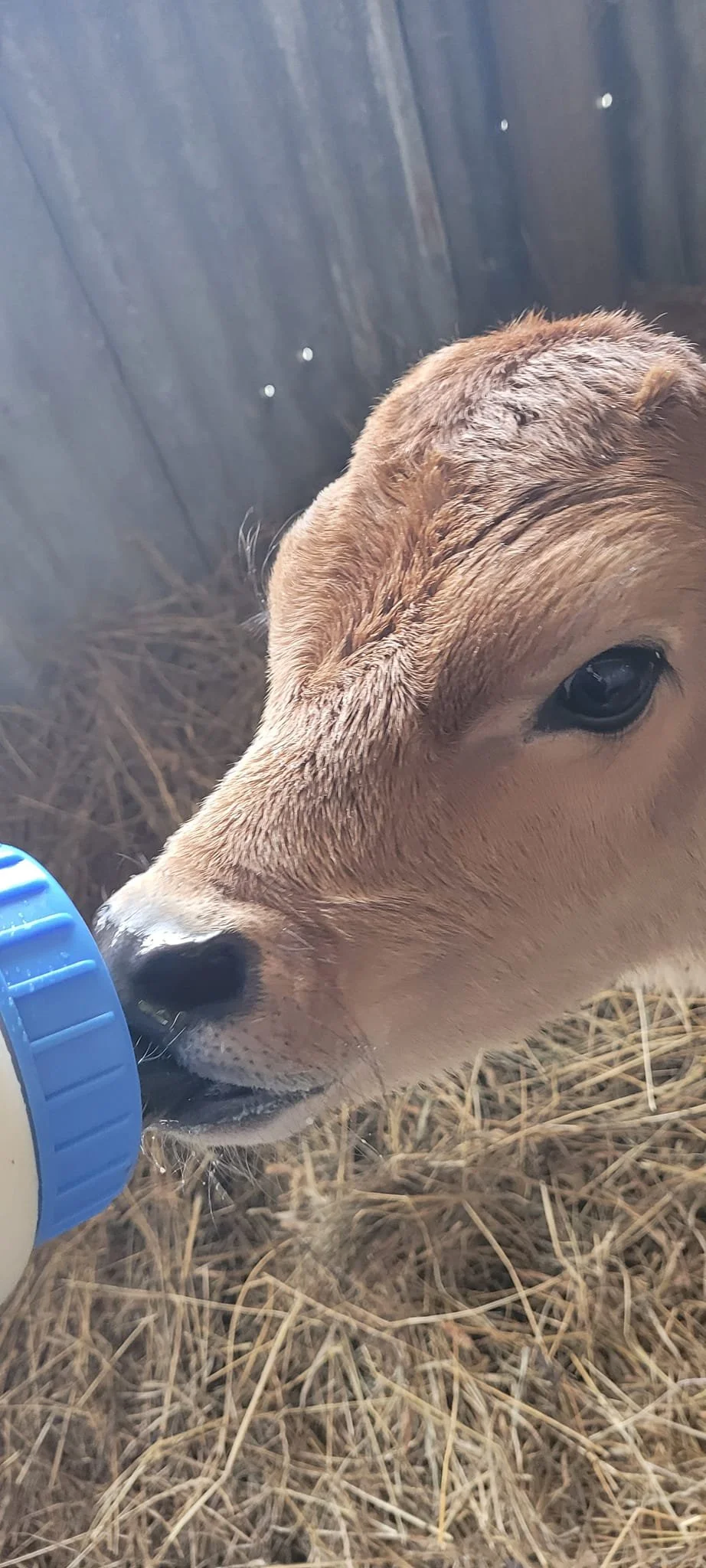
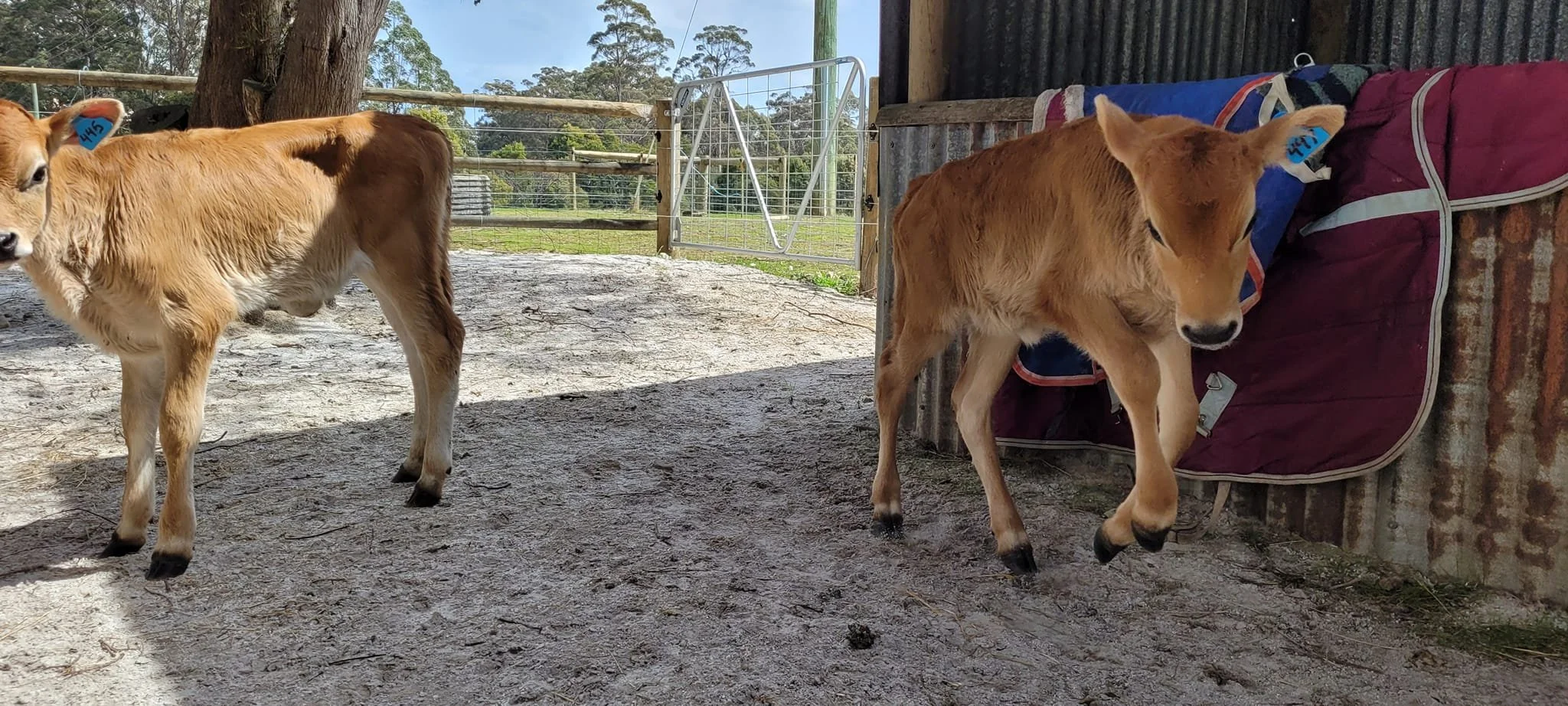
Moosli and Clover
Exciting News from the Farm!
We have two new additions. We're thrilled to introduce our new calves. They are Jersey’s and the long term plan is to milk them. But they have a couple of years of growing to do yet.
They were born around the 10th of September.






Handy Skills
NEW Handyman on the block!
At Tinkers Farm we are all about building skills for a better life. So we are excited to offer a new service, Handy Skills.
It’s like a traditional handyman service, but if you choose to, you can learn the skills during the project.
Matt is a registered Design and Technology teacher and mighty good at fixing things. He’ll fix what needs fixing and show you how to save money by repairing things yourself.
We also do general handyman work without teaching if you just need the job done.
If you need something made or mended, send us a message or contact us through our website.

Loss on the Farm
As many of you were aware Trinket was due to have her first foal any day now. Unfortunately, having a farm and animals comes hand in hand with death far too often.
Trinkets foal was stillborn this morning. We can't be sure why but I suspect it had something to do with Trinket's hospital stay last month for peritonitis.
We named him Neo and he will be buried at the bottom of the food forest once Trinket has had her time to grieve.